News

Advantages of Fully Automatic Carton Sealing Machines

2026-05-29 0 Leave me a message

I. Significant Improvement in Production Efficiency

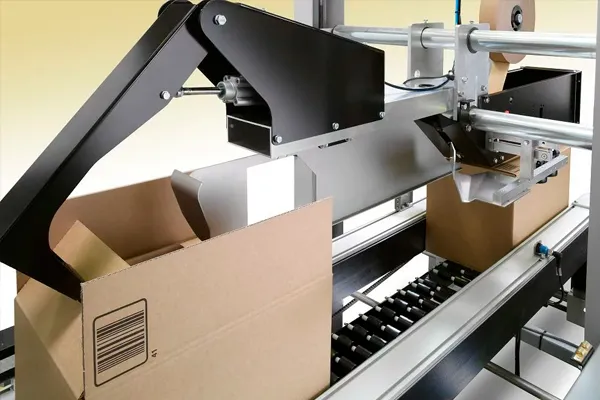
By replacing manual tape application, a single machine can achieve a carton sealing speed of 30 to 60 cartons per minute; it operates continuously without interruption or fatigue.

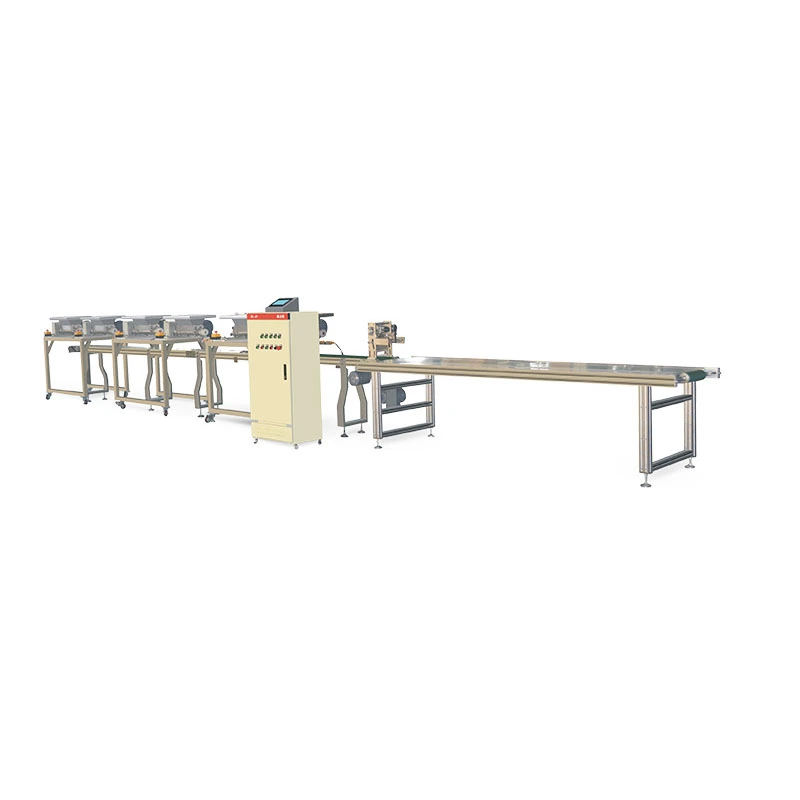
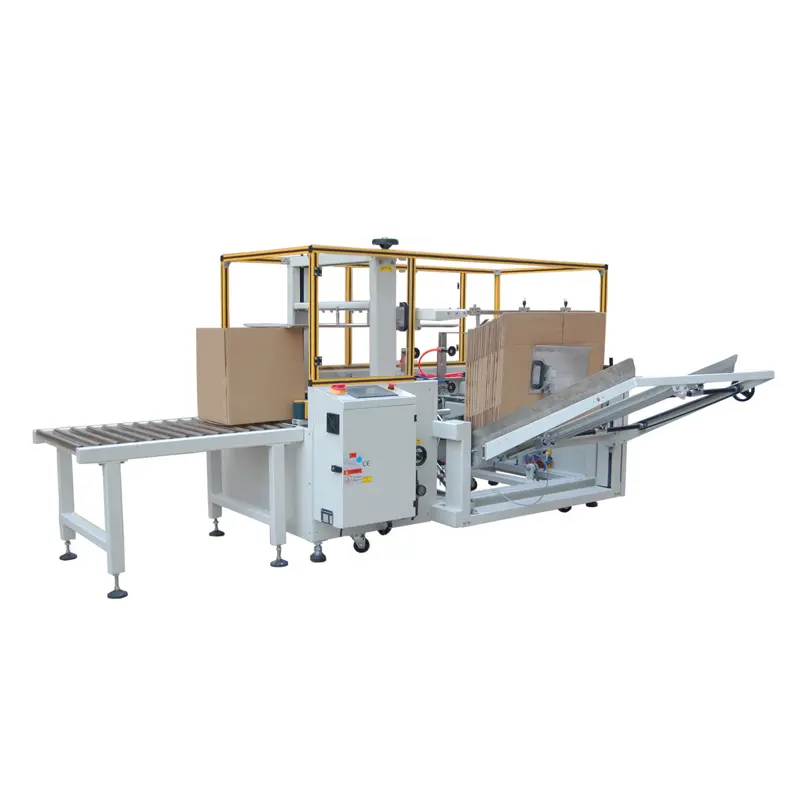
It can be seamlessly integrated with conveyor lines, strapping machines, and carton erectors to form a fully automated packaging line, requiring no manual intervention throughout the entire process—ideal for factories with high-volume shipping requirements.

It eliminates repetitive manual tasks—such as cutting tape, aligning seals, and pressing the tape flat—thereby significantly reducing the processing time required for each individual carton.


II. Reduced Labor Costs and Manpower Savings

A single carton sealer can replace the work of 2 to 4 manual sealing operators, resulting in substantial long-term savings on wage expenses.

Only one operator is required to simply position the cartons; furthermore, certain fully automatic models even fold the carton flaps automatically, allowing a single operator to oversee the operation of multiple machines simultaneously.

By reducing the need for repetitive physical labor positions, companies can reallocate employees to higher-value tasks, such as quality inspection and inventory preparation.


III. Uniform Sealing Appearance and Standardized Packaging

The tape is applied centrally, with consistent length and a smooth, flat finish. This eliminates common issues associated with manual sealing—such as crooked lines, uneven tape lengths, wrinkles, or gaps—resulting in a neat, aesthetically pleasing finished product that enhances the brand image.

The sealing pressure is applied uniformly, ensuring the tape adheres firmly to the carton; this prevents the tape from peeling open during transit—a common issue caused by the insufficient pressure often applied during manual sealing.

Standardized packaging specifications facilitate efficient warehouse stacking and logistics handling, ensuring a consistent and professional appearance for all outbound shipments.


IV. Conservation of Consumables and Waste Reduction

The equipment precisely controls the length of tape dispensed for each carton, ensuring a fixed and consistent amount of tape is used every time. Unlike manual sealing—where operators may pull out excessive tape haphazardly—this eliminates unnecessary waste.

The cutting mechanism delivers a clean, precise cut, leaving no excess tape remnants. Over the long term, this significantly reduces the overall cost of purchasing tape consumables.


V. Reduced Cargo Damage and Post-Sales Losses

The tape creates a tight, secure seal on the carton, making it highly resistant to bursting open or leaking contents during transit. This minimizes product loss and prevents damage caused by bumps or impacts.

By applying tape simultaneously to both the top and bottom of the carton, the structural integrity is balanced. This enhances the carton's compressive strength during stacking, thereby lowering the rate of logistics-related damage and reducing costs associated with insurance claims, returns, and exchanges. VI. Simple Operation, Convenient Maintenance

Highly automated: requires only simple adjustments to width and height to accommodate cartons of various sizes, allowing even novices to master its operation in a short time.

Mature mechanical structure: features few wear-and-tear parts; replacing tape rollers and cutters is straightforward, and routine maintenance involves nothing more than cleaning off tape residue and dust.

Wide carton compatibility: available in both manual-adjustment and automatic-sensing models, capable of handling a diverse range of courier boxes and logistics crates of varying dimensions.


VII. Improved Workshop Environment, Enhanced Safety

Eliminates the need for manual tape cutting using utility knives, thereby removing the safety hazard of hand lacerations and reducing workplace injuries.

Eliminates the repetitive physical strain of bending down and reaching up to seal boxes manually, thereby lowering the risk of occupational ailments such as lower back strain and hand abrasion among employees.

Ensures a clean and orderly production line with centralized waste tape collection, resulting in a more organized and tidy workshop environment.


VIII. Compatible with Fully Automated Lines, Highly Scalable

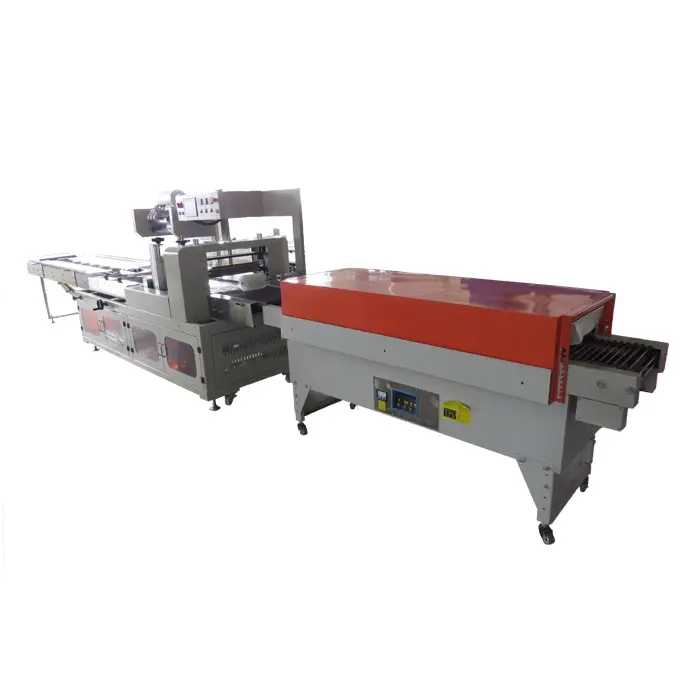
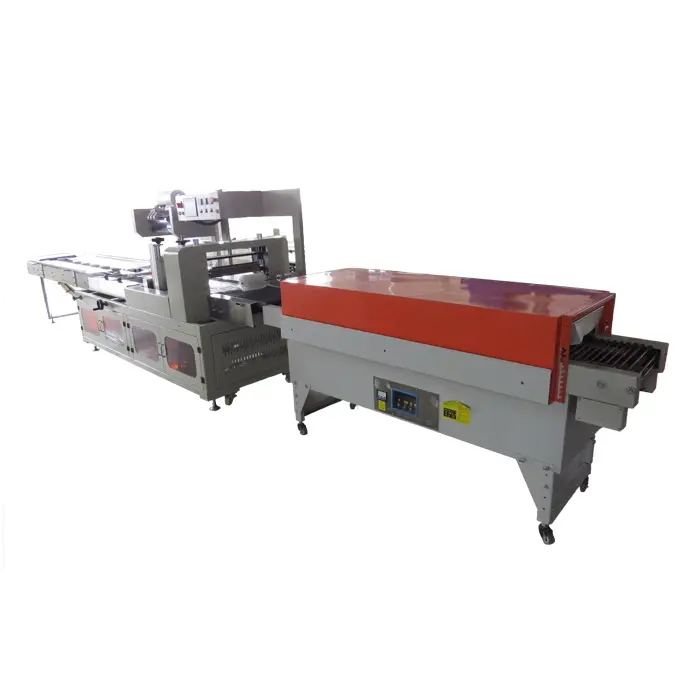
Can be seamlessly integrated and synchronized with automatic carton erectors, strapping machines, heat shrink wrappers, conveyor systems, and palletizers to establish a fully unmanned packaging workshop. Ideal for applications in e-commerce warehouses, food processing plants, hardware manufacturing facilities, logistics hubs, and similar environments; future production expansion requires no replacement of existing equipment.


IX. Lower Long-Term Comprehensive Costs

Following the initial one-time equipment investment, ongoing costs for consumables and electricity remain low. Compared to the continuous annual expense of paying multiple manual laborers, the equipment typically achieves a return on investment within 1 to 2 years, resulting in pure savings on labor costs for all subsequent production cycles.


Related News
Leave me a message
X
We use cookies to offer you a better browsing experience, analyze site traffic and personalize content. By using this site, you agree to our use of cookies.Privacy Policy
RejectAccept