- Home
- About Us
- Products
- Shrink Wrapping Machines
- Tableware Packaging Machines
- Pillow Packaging Machines
- Plasticine Packaging Machines
- Thermoforming Vacuum Packaging Machines
- Carton Handling Machines
- Wet Wipes Packaging Machines
- Packaging Production Line
- Transparent Film Packaging Machines
- Paper Lid Making Machines
- Cartoning Machines
- Paper Lunch Box Making Machines
- Bagging Machines
- News
- Download
- Send Inquiry
- Contact Us

English
- English
- беларускі
- Hrvatski
- lugha ya Kiswahili
- ភាសាខ្មែរ
- ქართული
- Español
- Português
- русский
- Français
- 日本語
- Deutsch
- tiếng Việt
- Italiano
- Nederlands
- ภาษาไทย
- Polski
- 한국어
- Svenska
- magyar
- Malay
- বাংলা ভাষার
- Dansk
- Suomi
- हिन्दी
- Türkçe
- العربية
- Indonesia
- Norsk
- تمل
- český
- ελληνικά
- український
- Javanese
- فارسی
- தமிழ்
- తెలుగు
- नेपाली
- Burmese
- български
- ລາວ
- Қазақша
- Azərbaycan
- Slovenský jazyk
- Македонски
- Lietuvos
- Eesti Keel
- Română
- Slovenski
- Srpski језик
China Durable Bagging Machines Supplier
In modern packaging lines, speed, accuracy and consistency are not goals – they are requirements. The right Bagging Machines transform bulk material handling into a tightly controlled process that eliminates waste, reduces labor and ensures every bag meets specification. Whether you are packaging powders, granules, pellets, flakes or irregular solids, a correctly specified bagging system underpins throughput and protects product quality from fill to final seal.
How Machines Adapt to Your Material
Material behavior dictates machine design. Huaze offers tailored feeding mechanisms:
- Free-flowing granules (fertilizer, plastic pellets, grains): gravity gates with double butterfly valves, ensuring clean cutoff and minimal product shear.
- Cohesive powders (flour, starch, titanium dioxide): vertical or horizontal screw feeders with fluidizing pads to maintain steady bulk density. The screw is designed with progressive pitch to densify the product before discharge.
- Flaky or friable products (potato chips, dried herbs): vibratory tray feeders with electronic amplitude control to avoid breakage while maintaining speed.
- Irregular, lumpy solids (minerals, scrap metal): belt feeders with weighbridge integration; the system automatically adjusts belt speed to meet target weight.
Construction That Extends Machine Life
Huaze bagging machines are built on a heavy-duty steel frame that dampens vibration and maintains alignment even under 24/7 operation. Key features include:
- Precision-machined sealing jaws for heat-seal bag models, with independent temperature PID control on each jaw.
- Hard-anodized aluminum or nickel-plated parts in contact with product for abrasion resistance.
- Quick-release clamps and toolless disassembly on product contact paths reduce cleaning time by 40% compared to conventional designs.
- Lifetime-lubricated bearings and IP66-rated enclosures on sensors and actuators suited for washdown environments.
FAQ
Can your bagging machines handle dusty products safely?
Yes. All Huaze bagging machines designed for powders incorporate negative-pressure dust extraction ports at the filling zone and inflatable neck seals that minimize dust escape. For highly combustible dusts (e.g., starch, aluminum powder), we supply ATEX-certified components, explosion isolation valves and antistatic ground paths throughout the system. Our enclosures can be integrated into your existing dust collection network.
What bag materials are compatible with Huaze bagging machines?
We design for woven polypropylene, multiwall paper, polyethylene (PE), and compostable laminates. The bag thickness range from 50 to 250 microns can be accommodated with adjustable heat seal parameters and clamping pressures. For valve bags, the spout diameter and internal flap design are critical; we can test your bag samples in our application lab before delivery.
How is the machine tested before shipment?
Every Huaze bagging machine undergoes a 24-hour run test with your actual product or a simulant approved by you. We record cycle times, weight accuracy, seal integrity and dust emission levels. A detailed FAT (Factory Acceptance Test) report is provided, and you are invited to witness the test via video link or in person.
What maintenance is required to keep a bagging machine running reliably?
Routine maintenance is minimal. Daily: clean the product contact surfaces and check air filters on the control panel. Weekly: inspect belt tension, lubricate pneumatic cylinder rods with food-grade grease, and verify load cell calibration with a test weight. Monthly: check electrical connections, replace dust collector filter bags if differential pressure is high, and back up PLC recipes. Our after-sales support includes remote diagnostics and preventive maintenance contracts to schedule all these tasks for you.
Does Huaze provide training for operators and maintenance staff?
Absolutely. Commissioning includes on-site training in English or the local language. Training covers machine startup, recipe changeover, daily cleaning, troubleshooting alarms and safe shutdown. We provide operation manuals, spare parts lists and electrical schematics. Advanced PLC and HMI programming courses are available for your automation engineers.
- View as
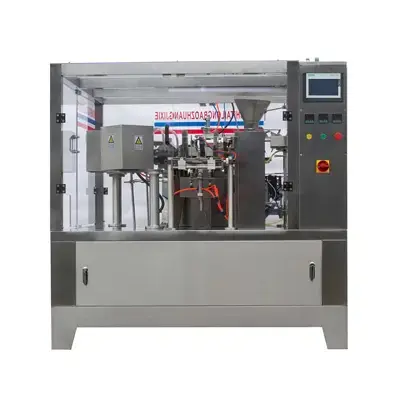
Automatic Bag Packaging Machine
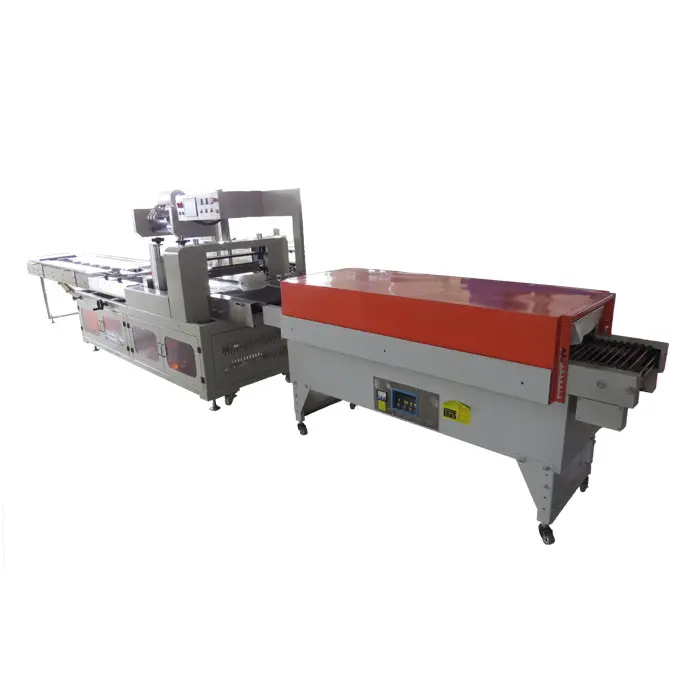
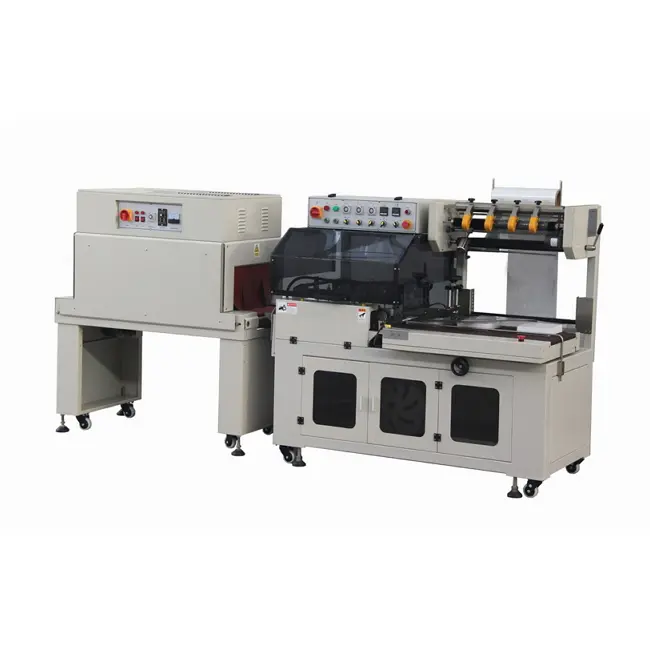
Huaze is an experienced China factory, manufacturer, and global supplier of Automatic Bag Packaging Machine, serving international buyers for many years. The machine is compatible with block, granular, powder, liquid and paste materials, covering almost all conventional bagged packaging materials, and is widely used in food, pharmaceutical, chemical, feed and daily chemical industries.
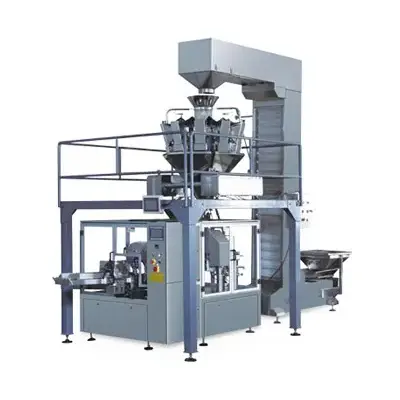
Automatic Granule Bag Packing Machine
Automatic Granule Bag Packing Machine is a versatile and high-precision pre-made pouch packaging equipment for diversified solid materials.It can pack liquid, paste, powder, granule and irregular block materials by replacing different meters, being an all-round packaging solution for food and daily industrial products. Contact Huaze today to get a fast quotation and professional support from a reliable China factory.
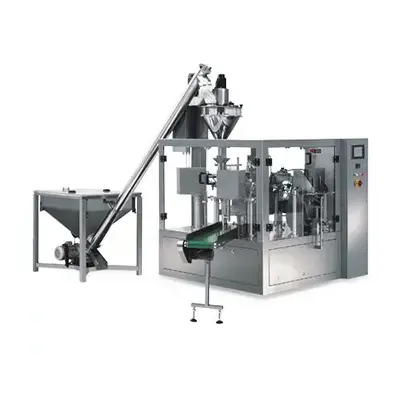
Automatic Powder Bag Packaging Machine
As a professional China manufacturer and supplier, Huaze specializes in producing high-quality Automatic Powder Bag Packaging Machine. It features simple operation, precise bag making and stable and reliable overall performance, widely applicable for powder material packaging in food, pharmaceutical and chemical industries.
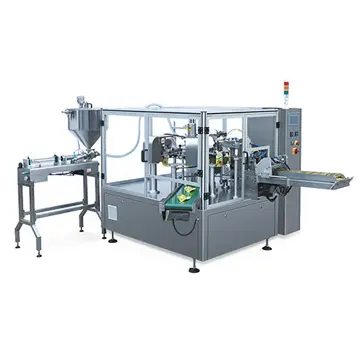
Liquid Bag Packing Machine
The Huaze manufacturer’s Liquid Bag Packing Machine is a fully automatic bag-feeding packaging unit integrated with liquid and paste filling functions. Adopting PLC and POD touch screen intelligent control, it realizes fully automatic packaging, equipped with material saving, empty bag protection, electric width adjustment, fault alarm, stirring and liquid level control functions, supporting multi-type material packaging with high automation and high cost performance.
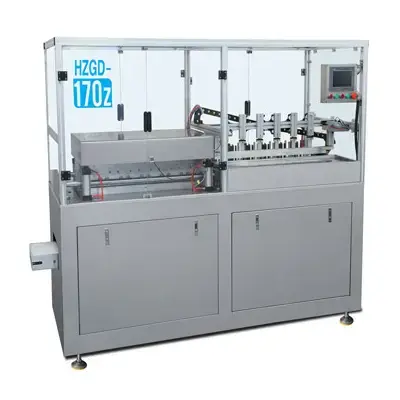
Multi-column Bag-feeding Vacuum Packaging Machine
Multi-column Bag-feeding Vacuum Packaging Machine is a high-precision and multi-functional automatic assembly line vacuum packaging equipment independently developed and manufactured by Huaze factory. Built on years of professional R&D and manufacturing experience in vacuum packaging machinery, this self-designed vacuum packing machine adopts innovative multi-column simultaneous operation structure. It is ideal high-efficiency packaging equipment for enterprises that pursue high output, clean production and labor cost reduction.
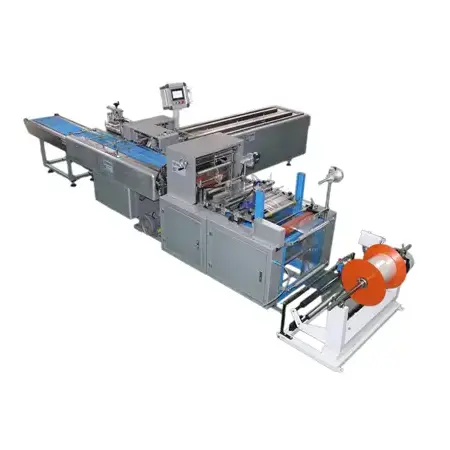
Multi functional Bagging Machine
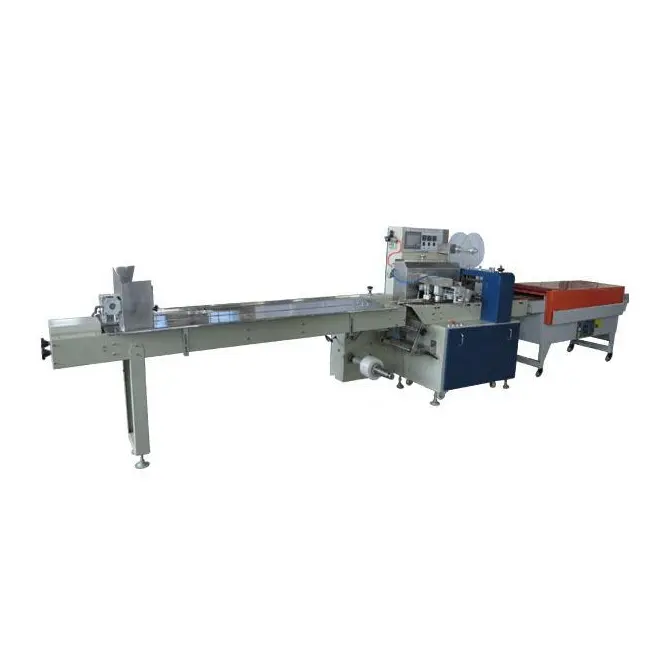
Huaze is a leading manufacturer in China. Huaze’s Multi Functional Bagging Machine is a newly designed multi-purpose automatic bag packaging equipment developed for regular sheet products and printed items.The equipment effectively saves manual labor, improves packaging efficiency, and meets diversified and high-standard bagging packaging demands for various sheet and printed products.
Invest in a Huaze certified Bagging Machines to ensure airtight sealing and strictly comply with sanitary standards. Inquire now to check our current in-stock models for quick shipping!