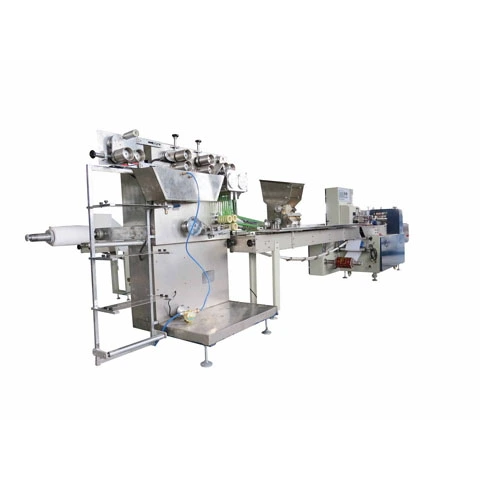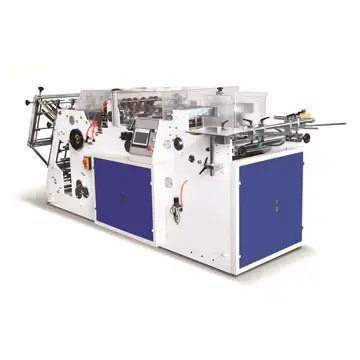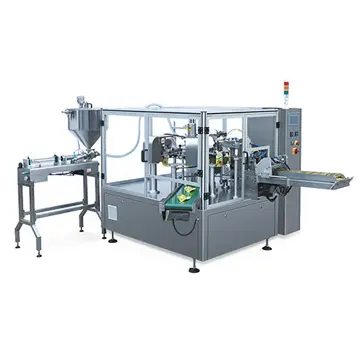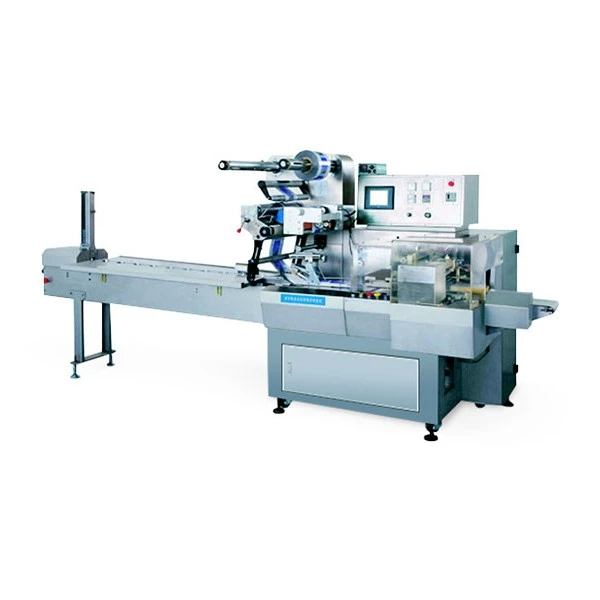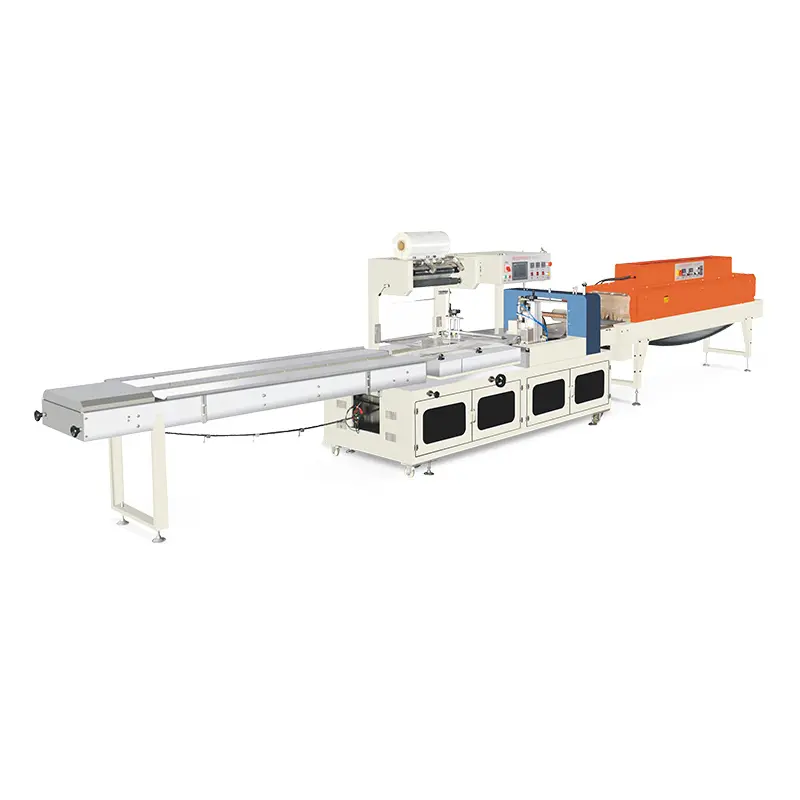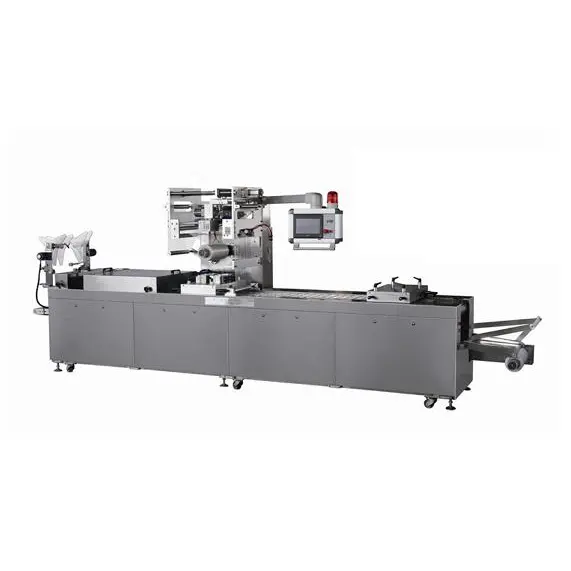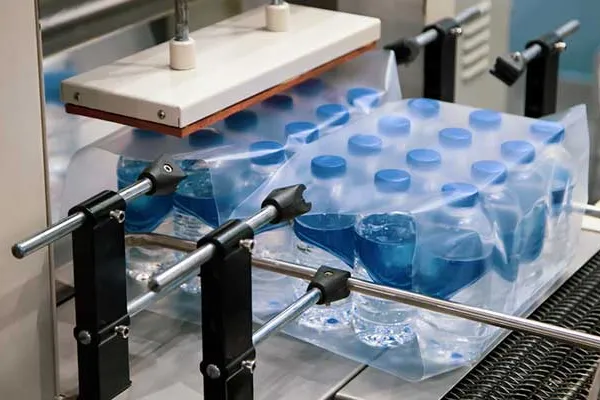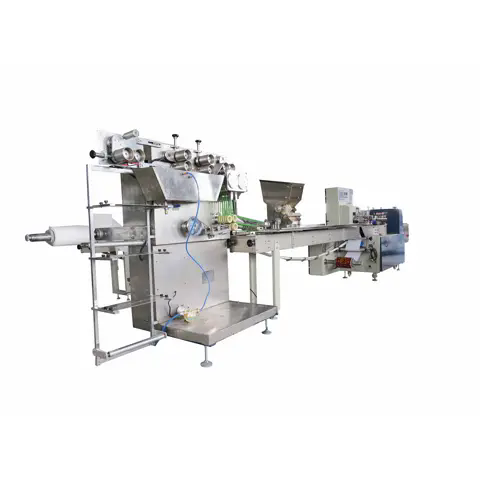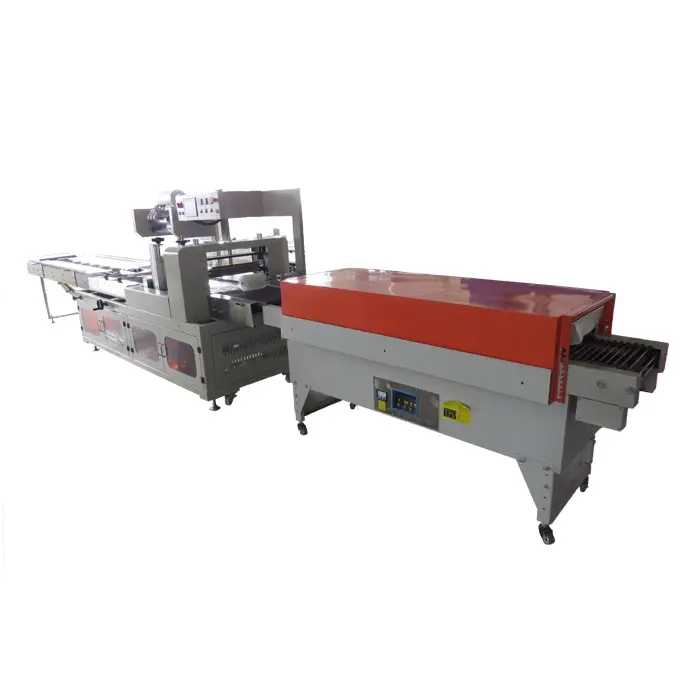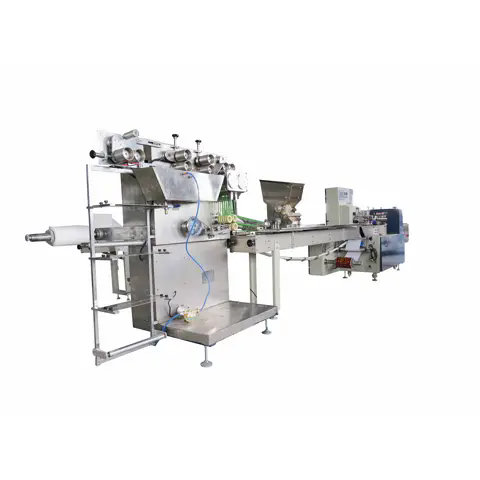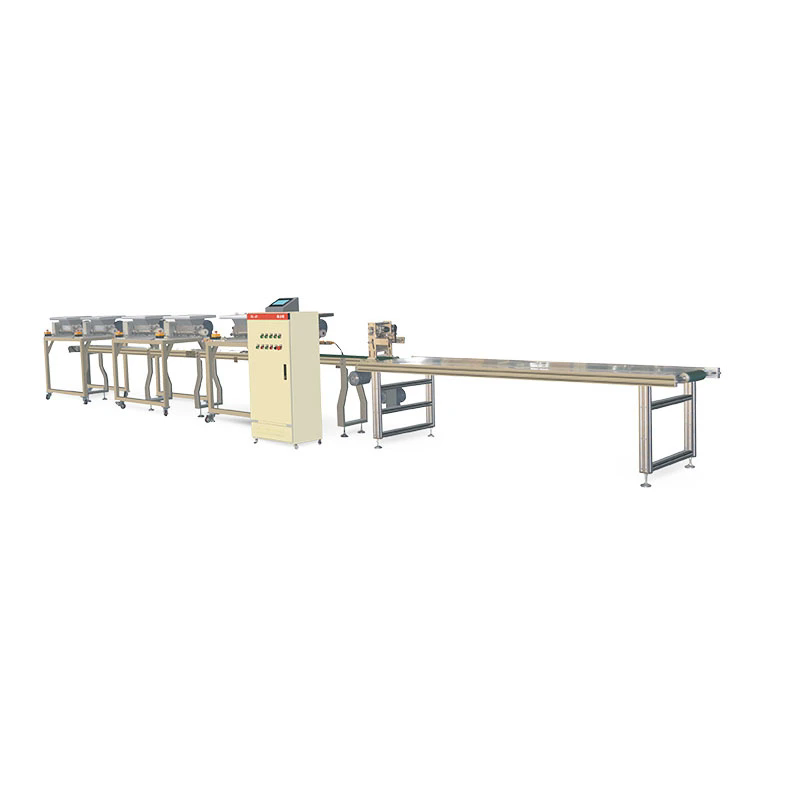
Article Summary: A pillow packaging machine is a continuous form-fill-seal system designed to wrap products in flexible film and create clean, sealed packages at high production speeds. For manufacturers dealing with rising labor costs, inconsistent manual packaging, film waste, product damage, or demanding production schedules, selecting the right machine can make a significant difference. This guide explains how pillow packaging works, where it fits into a production line, what factors influence machine selection, and how Huaze helps manufacturers build practical packaging solutions around product characteristics, output requirements, film types, and operating conditions.
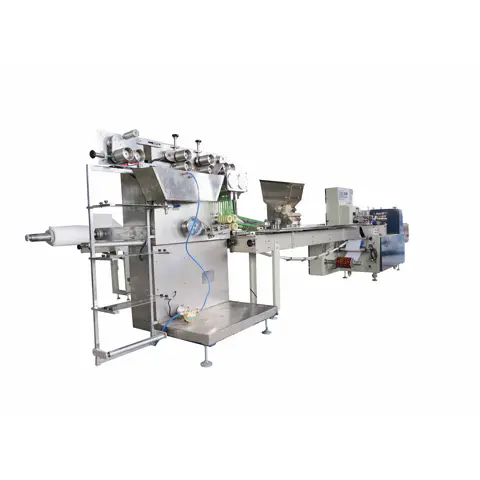
Table of Contents
- What Is a Pillow Packaging Machine?
- How Does a Pillow Packaging Machine Work?
- What Packaging Problems Can It Solve?
- What Are the Main Advantages?
- Where Can Pillow Packaging Machines Be Used?
- What Types of Pillow Packaging Machines Are Available?
- What Should You Consider Before Buying?
- What Packaging Films Can Be Used?
- How Can the Machine Improve Production Efficiency?
- How Can You Maintain Stable Performance?
- Why Consider Huaze?
- Frequently Asked Questions
- Conclusion
What Is a Pillow Packaging Machine?
A pillow packaging machine is an automated packaging system that forms flexible film around a product, seals the package, and cuts individual packs in a continuous production cycle. The finished package typically has a distinctive pillow-like appearance, with longitudinal sealing along the product and transverse seals at both ends.
Although the packaging format looks simple, reliable high-speed operation requires precise coordination between product feeding, film transportation, forming, sealing, cutting, temperature control, and registration. A properly configured machine must also match the physical characteristics of the product and the properties of the selected packaging film.
Modern pillow packaging equipment is therefore more than a basic wrapping machine. It is an integrated production system designed to reduce repetitive manual work, improve package consistency, control material consumption, and maintain predictable throughput.
For manufacturers producing food, household goods, disposable products, hardware, personal-care items, and other packaged products, this format offers an effective balance between production speed, packaging appearance, product protection, and operating flexibility.
How Does a Pillow Packaging Machine Work?
The basic packaging cycle consists of several coordinated stages. Understanding these stages is important because problems in one section of the process can affect the entire package.
- Product feeding: Products enter the machine through a suitable conveyor, feeding mechanism, pusher, timing system, or other product-handling device.
- Film unwinding: A roll of flexible packaging film is continuously supplied to the forming section.
- Film forming: The film passes around a forming shoulder or forming structure, creating a tube around the product.
- Longitudinal sealing: The film edges are brought together and sealed to create a continuous longitudinal seam.
- Transverse sealing: Cross-sealing jaws create the front and rear seals of each individual package.
- Cutting: The sealed film is cut between products to separate finished packages.
- Discharge: Completed packs are transferred from the machine for inspection, secondary packaging, storage, or further processing.
Modern control systems synchronize these operations automatically. Sensors can monitor film position and product movement, while servo-driven systems can coordinate film feeding, sealing, and cutting with greater precision.
This synchronization is particularly important at higher production speeds. If the product feed, film movement, and sealing mechanism are not properly matched, manufacturers may experience empty bags, misplaced products, uneven seals, film wrinkles, or excessive scrap.
What Packaging Problems Can It Solve?
Many packaging challenges appear gradually as production volumes increase. A process that works adequately for a small workshop may become inefficient when production reaches thousands or millions of packages.
| Common Production Problem | Potential Cause | How Automated Pillow Packaging Helps |
|---|---|---|
| High labor requirements | Manual wrapping and sealing | Automates repetitive packaging operations |
| Inconsistent package appearance | Different manual operating techniques | Provides repeatable film forming and sealing |
| Film waste | Improper feeding or inaccurate cutting | Controlled film movement and cutting improve material utilization |
| Weak or leaking seals | Incorrect temperature, pressure, or timing | Controlled sealing parameters improve seal consistency |
| Low production speed | Manual or semi-automatic processes | Continuous operation supports higher throughput |
| Frequent product misalignment | Unstable feeding or timing | Dedicated feeding and registration systems improve positioning |
The important point is that automation should not simply be measured by maximum machine speed. A machine that runs extremely fast but generates frequent stoppages, rejects, or difficult changeovers may produce less usable output than a slightly slower machine operating consistently.
What Are the Main Advantages?
1. Consistent Packaging Quality
Automated film feeding, temperature control, sealing, and cutting help reduce variations between packages. Consistency is especially important when products are sold through retail channels, where package appearance can influence customer perception.
2. Higher Production Capacity
Continuous packaging eliminates many pauses associated with manual wrapping. Once the product feeding and machine parameters are properly established, the equipment can maintain a stable packaging cycle for extended production periods.
3. Reduced Dependence on Manual Labor
Operators can focus on material replenishment, quality monitoring, equipment checks, and production management instead of performing every wrapping operation manually. This can be particularly valuable where labor availability is limited or labor costs are increasing.
4. Better Film Utilization
Accurate film tracking and controlled cutting can reduce unnecessary material consumption. Since packaging film represents a recurring production cost, even modest reductions in waste can become significant over a large annual production volume.
5. Flexible Packaging Formats
Depending on machine configuration, pillow packaging equipment can accommodate different product dimensions and film materials. Recipe-based controls can also simplify the transition between different products.
6. Improved Product Protection
A correctly sealed package can provide a physical barrier against dust, handling contamination, moisture, and other environmental factors. For certain products, the film can also contribute to improved shelf presentation and storage stability.
Where Can Pillow Packaging Machines Be Used?
The pillow format is suitable for a broad range of products. The appropriate machine configuration depends on product dimensions, weight, surface characteristics, required speed, film type, and packaging objectives.
- Bakery products: Bread, pastries, biscuits, cakes, and similar products can be wrapped individually or in predetermined quantities.
- Confectionery: Chocolate products, candy, bars, and other solid confectionery products can benefit from continuous film wrapping.
- Daily necessities: Household products and disposable articles can be packaged into clean, compact retail units.
- Hardware: Small components, accessories, and regularly shaped parts can be grouped and wrapped.
- Personal-care products: Certain soaps, wipes, accessories, and other packaged goods can use pillow-style film wrapping.
- Industrial products: Lightweight components and regularly shaped products can be automatically protected for transportation or distribution.
For specialized products, the feeding mechanism may be more important than the wrapping mechanism itself. Fragile, sticky, irregular, oversized, or easily deformed products require carefully selected feeding and sealing configurations.
What Types of Pillow Packaging Machines Are Available?
Not every production application requires the same machine architecture. Selecting the right type can prevent performance limitations later.
| Machine Configuration | Typical Characteristics | Suitable Applications |
|---|---|---|
| Top-feeding pillow packaging machine | Product enters from above the film-forming area | Many standard food and industrial products |
| Bottom-feeding pillow packaging machine | Product feeding is arranged below or along the film path | Long or flexible products and selected specialty applications |
| Reciprocating pillow packaging machine | Reciprocating cross-sealing motion supports certain larger or demanding products | Oversized products and applications requiring longer sealing contact |
| Specialized high-speed machine | Optimized for a narrow product range and high output | Large-volume dedicated production |
The best configuration should be determined by actual production requirements rather than simply choosing the machine with the highest advertised speed.
What Should You Consider Before Buying?
Purchasing a pillow packaging machine is a production decision rather than simply an equipment purchase. A suitable machine should fit the entire packaging process.
Product Dimensions and Shape
Start with the actual product. Measure its length, width, height, weight, and dimensional tolerance. Products that vary significantly in size may require a different feeding arrangement or a wider operating range.
Required Production Output
Determine the required packages per minute based on actual demand. It is useful to distinguish between theoretical machine speed and practical production output. Product feeding, film replacement, changeovers, cleaning, inspection, and occasional stoppages all affect real-world capacity.
Film Characteristics
Film thickness, sealing temperature, coefficient of friction, stiffness, print registration, and laminate structure can affect machine performance. The packaging equipment should be tested with the actual film wherever possible.
Changeover Requirements
If the production line handles many product sizes, quick parameter adjustment becomes important. Recipe storage, accessible controls, adjustable guides, and simplified mechanical settings can reduce downtime between production runs.
Factory Environment
Food, pharmaceutical, chemical, household, and industrial environments can have different requirements for machine construction and cleaning. Stainless steel components and suitable protective measures may be important in environments where frequent cleaning or moisture exposure occurs.
After-Sales Support
A packaging machine is a long-term production asset. Before purchasing, confirm what technical support, spare parts, commissioning assistance, operator training, troubleshooting resources, and warranty coverage are available.
What Packaging Films Can Be Used?
The film is one of the most important variables in pillow packaging. A machine can be mechanically sound yet produce poor packages if the selected film is incompatible with the sealing system or product requirements.
| Film Category | Typical Characteristics | Potential Packaging Uses |
|---|---|---|
| BOPP-based film | Good appearance, printability, and suitable mechanical properties | Snacks, bakery products, confectionery, daily goods |
| PET/PE laminate | Combination of strength and heat-sealing capability | Food and general consumer products |
| Metallized film | Enhanced light and barrier characteristics | Products requiring additional protection |
| Foil laminate | High barrier performance for selected applications | Products with demanding barrier requirements |
Film selection should consider the complete packaging objective rather than appearance alone. The film must run smoothly through the machine, form properly around the product, seal reliably at the required speed, and provide the necessary level of protection.
How Can the Machine Improve Production Efficiency?
Production efficiency is influenced by more than packaging speed. A useful way to evaluate a pillow packaging machine is to consider total productive output.
Effective production = machine speed × operating time × acceptable production rate
This means that a machine with excellent speed but frequent interruptions may underperform compared with a well-balanced machine designed for stable operation.
Several factors can improve effective output:
- Accurate product feeding to reduce empty or incorrectly positioned packages.
- Stable film tension to minimize wrinkles and film tracking problems.
- Consistent sealing temperature to reduce rejected packages.
- Automatic registration correction for printed film.
- Fast recipe selection for repeat products.
- Accessible machine components for routine cleaning and inspection.
- Reliable sensors and fault detection to shorten troubleshooting time.
- Suitable feeding systems for the specific product rather than relying on a universal configuration.
For high-volume operations, these details can have a direct impact on production cost. Reducing reject rates by even a small percentage can save substantial quantities of film and product over a full production year.
How Can You Maintain Stable Performance?
Preventive maintenance is essential for maintaining packaging consistency. Operators should establish a maintenance schedule based on machine operating hours, product characteristics, film type, and production environment.
Daily Checks
- Remove film fragments and product residue.
- Inspect sealing areas for contamination.
- Check the condition of cutting components.
- Clean sensors and photoelectric detection areas when necessary.
- Check for unusual sounds, vibration, or temperature changes.
Periodic Checks
- Inspect belts, chains, guides, and moving components.
- Verify sealing temperature accuracy.
- Check film alignment and tension.
- Inspect electrical connections and control components.
- Examine servo systems and transmission components.
- Replace wear parts according to actual operating conditions.
Operators should also record recurring faults. A simple maintenance log can reveal patterns such as repeated film deviation, sealing temperature instability, or cutter wear. Identifying these trends early is usually more economical than waiting for an unexpected production stoppage.
Why Consider Huaze?
Huaze focuses on packaging machinery designed for practical industrial production requirements. Its pillow packaging solutions are developed around factors such as product feeding, film control, sealing consistency, operating convenience, and production flexibility.
Depending on the application, Huaze can provide different pillow packaging configurations, including top-feeding, bottom-feeding, reciprocating, and specialized solutions for particular product categories. This approach is useful for manufacturers that need more than a standard machine configuration.
Control and automation are also important considerations. Modern packaging equipment can use touchscreen interfaces, programmable parameters, sensor-based registration, servo-driven motion, and automatic fault monitoring to simplify daily operation and improve repeatability.
Another important consideration is the relationship between the machine and the product. Huaze's equipment portfolio demonstrates that different products may require different feeding and wrapping approaches. For example, high-speed confectionery packaging, long flexible products, wet wipes, oversized goods, and standard consumer products can have very different mechanical requirements.
When evaluating a supplier, manufacturers should therefore discuss the complete application rather than requesting only a machine price. Product samples, dimensions, target output, film specifications, package size, and production conditions can help the supplier recommend a more appropriate configuration.
Frequently Asked Questions
What is the difference between a pillow packaging machine and manual wrapping?
A pillow packaging machine automates film feeding, product wrapping, sealing, and cutting in a continuous process. Manual wrapping depends heavily on operator speed and consistency. Automation is generally more suitable for manufacturers that need stable output, repeatable packaging quality, and reduced labor requirements.
Can a pillow packaging machine handle different product sizes?
Many machines can accommodate a range of product sizes, but the available range depends on the machine design and configuration. Manufacturers should provide actual product dimensions before selecting equipment to ensure that the forming, feeding, sealing, and cutting systems are suitable.
Can printed film be used?
Yes. Pillow packaging machines can be equipped with registration detection systems that identify printed marks on the film. This allows the machine to adjust film positioning so that logos, graphics, and other printed elements remain properly aligned with the finished package.
Is a pillow packaging machine suitable for food products?
Yes, provided that the machine configuration, construction materials, film, feeding system, and cleaning procedures are appropriate for the food application. Hygienic machine design and suitable food-contact materials should be considered when specifying equipment.
How do I choose the correct machine speed?
Start with required daily or monthly output rather than choosing the highest available speed. Consider product feeding limitations, changeover frequency, film replacement, operator availability, quality requirements, and expected operating hours. A machine should provide sufficient practical capacity with an appropriate production margin.
What causes poor sealing?
Common causes include unsuitable film, incorrect sealing temperature, inadequate pressure, incorrect sealing time, contamination on sealing surfaces, film tracking problems, or improper machine adjustment. Troubleshooting should examine the film and sealing parameters together rather than changing only one setting.
Does Huaze provide customized pillow packaging solutions?
Huaze offers different pillow packaging configurations for different products and production requirements. Customization may involve feeding arrangements, machine dimensions, sealing configuration, control settings, film handling, or integration with other production equipment. The appropriate solution should be determined from the actual application.
What information should I provide when requesting a quotation?
For a more accurate recommendation, prepare the product dimensions, product weight, photographs or samples, desired package dimensions, packaging material, film thickness, target production speed, voltage requirements, and expected working hours. Information about upstream and downstream equipment is also useful when the machine will be integrated into an existing production line.
Conclusion
A pillow packaging machine can turn a labor-intensive wrapping process into a controlled, repeatable, and scalable packaging operation. Its value comes not only from packaging speed but also from consistent sealing, accurate film handling, reliable product feeding, reduced waste, flexible production, and improved operator efficiency.
The right equipment, however, must be selected according to the actual application. Product dimensions, feeding characteristics, packaging film, required output, package appearance, production environment, changeover frequency, and after-sales support should all be evaluated before making a purchasing decision.
For manufacturers seeking a packaging solution that balances productivity with practical operating requirements, Huaze provides a range of pillow packaging machine configurations and application-oriented solutions. By matching the machine design with the product and production process, manufacturers can build a packaging operation that is easier to manage and more reliable over the long term.
Ready to improve your packaging process? Share your product specifications, packaging requirements, target output, and film information with Huaze. Our team can help you evaluate the appropriate pillow packaging machine configuration for your application. Contact us today to discuss your packaging requirements and find a practical solution for your production line.