- Home
- About Us
- Products
- Shrink Wrapping Machines
- Tableware Packaging Machines
- Pillow Packaging Machines
- Plasticine Packaging Machines
- Thermoforming Vacuum Packaging Machines
- Carton Handling Machines
- Wet Wipes Packaging Machines
- Packaging Production Line
- Transparent Film Packaging Machines
- Paper Lid Making Machines
- Cartoning Machines
- Paper Lunch Box Making Machines
- Bagging Machines
- News
- Download
- Send Inquiry
- Contact Us

English
- English
- беларускі
- Hrvatski
- lugha ya Kiswahili
- ភាសាខ្មែរ
- ქართული
- Español
- Português
- русский
- Français
- 日本語
- Deutsch
- tiếng Việt
- Italiano
- Nederlands
- ภาษาไทย
- Polski
- 한국어
- Svenska
- magyar
- Malay
- বাংলা ভাষার
- Dansk
- Suomi
- हिन्दी
- Türkçe
- العربية
- Indonesia
- Norsk
- تمل
- český
- ελληνικά
- український
- Javanese
- فارسی
- தமிழ்
- తెలుగు
- नेपाली
- Burmese
- български
- ລາວ
- Қазақша
- Azərbaycan
- Slovenský jazyk
- Македонски
- Lietuvos
- Eesti Keel
- Română
- Slovenski
- Srpski језик
China Durable Tableware Packaging Machines Manufacturer
Understanding Tableware Packaging Machines and Their Role in Modern Production
Tableware packaging machines are specialized industrial systems designed to wrap, seal, and protect disposable cutlery, plates, cups, and similar items. These machines handle high-speed operations while maintaining hygiene standards critical for food-contact products. The equipment typically integrates multiple functions including feeding, counting, wrapping, and sealing into one continuous process. Modern tableware packaging machines serve restaurants, catering services, airlines, and retail brands that demand consistent quality output. The automation reduces labor costs by up to 60% compared to manual packing methods. With precise control systems, these machines minimize material waste and ensure every package meets exact specifications. Manufacturers like Huaze have refined this technology over two decades of dedicated engineering work. The result is equipment that adapts to various materials such as biodegradable films, paper wraps, and traditional plastics. Understanding the core mechanisms helps buyers select the right configuration for specific production needs.
Material Handling and Compatibility
Tableware packaging machines process a wide range of wrapping materials. The shift toward sustainable packaging has increased demand for equipment that handles biodegradable and compostable films without sacrificing speed. Huaze machines use adjustable tension controls and heated sealing jaws optimized for diverse substrates. The list below outlines material types and their typical applications:
- BOPP Film: Clear, glossy finish for retail display packs, excellent moisture barrier
- CPP Film: High clarity, softer feel, used for premium cutlery wrapping
- PE Film: Strong seals, flexible at low temperatures, common in bulk packaging
- PLA Biodegradable Film: Compostable under industrial conditions, requires precise heat settings
- Paper-Based Wraps: Eco-friendly option with barrier coatings, used with cold-seal adhesives
- Laminated Films: Multi-layer structures combining barrier properties and printability
Proper material selection impacts seal integrity, shelf appearance, and production efficiency. Huaze provides material testing services where clients send sample films to verify machine compatibility before purchase. This step prevents costly downtime and confirms the tableware packaging machines deliver expected results on actual production materials.
Automation Features and Smart Controls
Modern tableware packaging machines incorporate intelligent systems that monitor operations and alert operators to deviations. Sensors track film registration, product presence, seal temperature, and output count. Data logging records shift production totals and downtime events for performance analysis. The automation stack includes:
- Servo-driven feeding mechanisms with 0.1mm positional accuracy
- Automatic film splicing for non-stop operation on long runs
- Vision inspection systems that reject improperly sealed packs
- Remote access modules for troubleshooting and software updates
- Energy monitoring dashboards tracking power consumption per thousand packs
Common Questions
What types of tableware can be packaged with these machines?
Tableware packaging machines handle plastic spoons, forks, knives, disposable chopsticks, straws, stirrers, cups, plates, and complete cutlery sets. Some models also package napkins alongside utensils in a single operation. The feeding system uses vibratory bowls or belt conveyors customized to the specific item shape. Huaze engineers design feeding tracks based on sample products to ensure stable orientation and consistent placement. Irregularly shaped items like sporks or multi-piece sets require special handling mechanisms that can be added to standard machines. The flexibility allows one machine to package different tableware types by switching feeding components rather than purchasing separate equipment.
How do tableware packaging machines ensure hygiene for food-contact items?
Hygiene is maintained through several design features. Food-contact surfaces use stainless steel 304 or 316L grades that resist corrosion and clean easily. Enclosed packaging zones with HEPA-filtered positive air pressure prevent dust ingress during operation. Touchless handling systems minimize human contact with products after the initial loading. Ultraviolet sterilization modules can be installed at the infeed and outfeed sections. Regular washdown procedures use approved cleaning agents without damaging machine components. Huaze tableware packaging machines comply with FDA and EU food safety standards, with full material traceability documentation provided. Sanitary design extends to sloped surfaces that drain liquids, sealed bearings that prevent lubricant leakage, and quick-release guards for thorough cleaning access.
What is the typical return on investment for a tableware packaging machine?
ROI calculations depend on local labor costs, production volume, and current packing efficiency. A medium-sized operation packing 50,000 units per day typically recovers the investment in 12 to 18 months. Direct savings come from reducing packing labor from 6-8 workers to 1-2 machine operators. Material savings from precise film usage often reach 8-12% compared to manual wrapping. Additional value comes from higher throughput allowing business expansion without proportional labor increases. Quality improvements reduce customer rejections and returned shipments. Huaze machines maintain strong resale value, with ten-year-old units still commanding 30-40% of original price in secondary markets. Detailed ROI spreadsheets are available through the sales team, customized to each buyer's operational data.
Can these machines work with biodegradable and compostable films?
Yes, modern tableware packaging machines process biodegradable films including PLA, PBAT, and various starch-based compounds. These materials behave differently than petroleum-based films, requiring adjustments to sealing temperature, dwell time, and tension settings. PLA films, for example, seal at lower temperatures and narrower windows around 130-160°C. The machines use precise temperature controllers with PID algorithms that maintain stability even with heat-sensitive materials. Some sustainable films have different slip characteristics requiring modified film transport rollers. Huaze tests biodegradable films extensively and maintains a database of recommended settings for over fifty commercially available sustainable materials. The shift to eco-friendly packaging increases demand for machines with this flexibility, positioning buyers to meet changing regulations and consumer preferences.
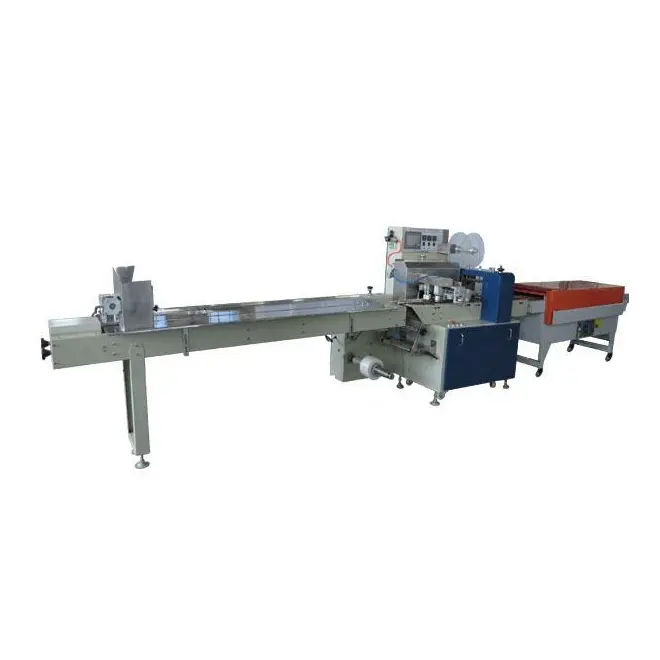
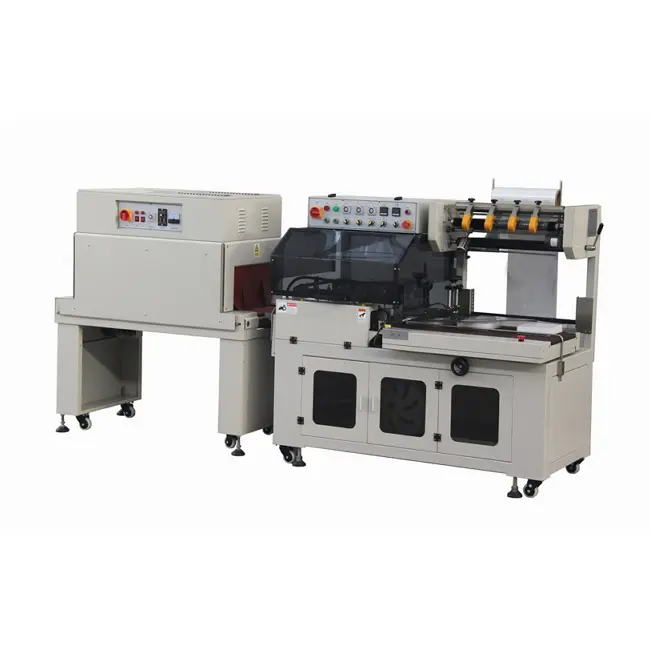
- View as
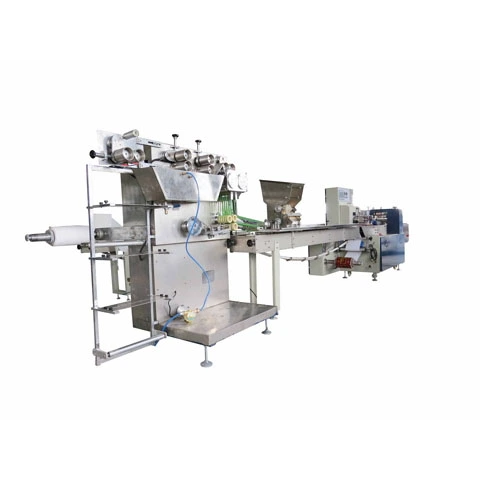
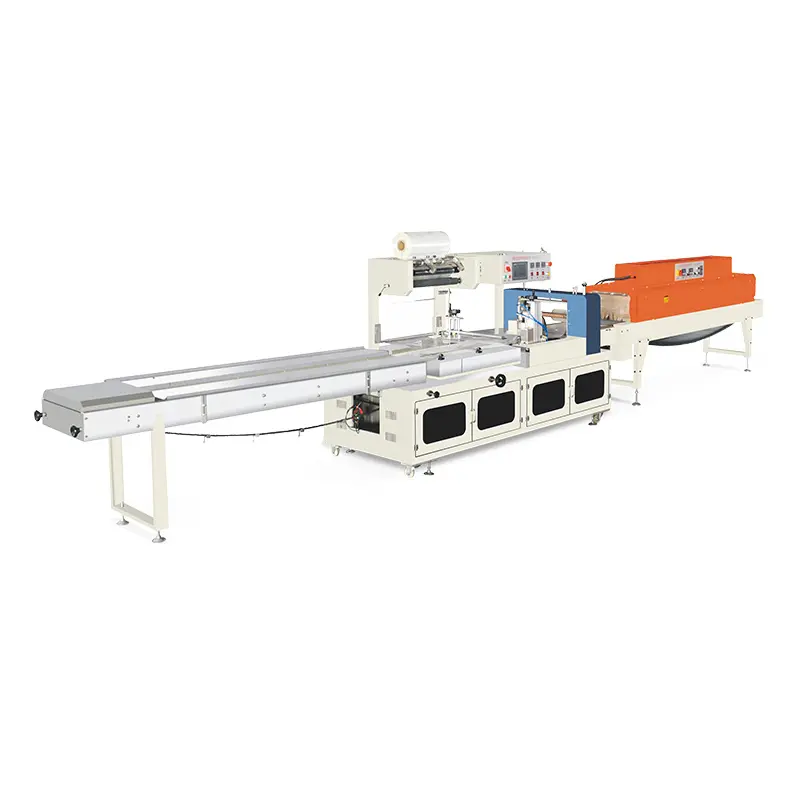
Napkins And Chopsticks Two Piece Packaging Machine
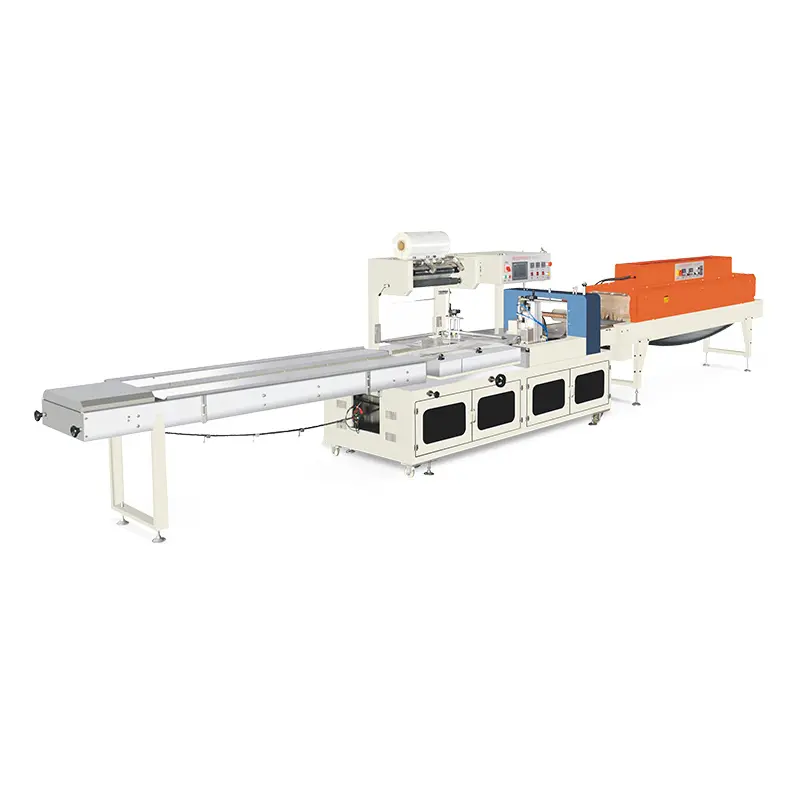
Budget-conscious catering suppliers and disposable tableware manufacturers looking for low-cost, high-stability dry tableware packaging solutions can select the Huaze napkins and chopsticks two piece packaging machine. Developed by a reliable China-based high-tech packaging machinery manufacturer, it supports optional automatic chopstick feeding devices to build a streamlined packaging line. With simplified mechanical structure and cost-optimized design, it is the most cost-efficient entry-level packaging equipment for standardized dry napkin & chopstick sets.
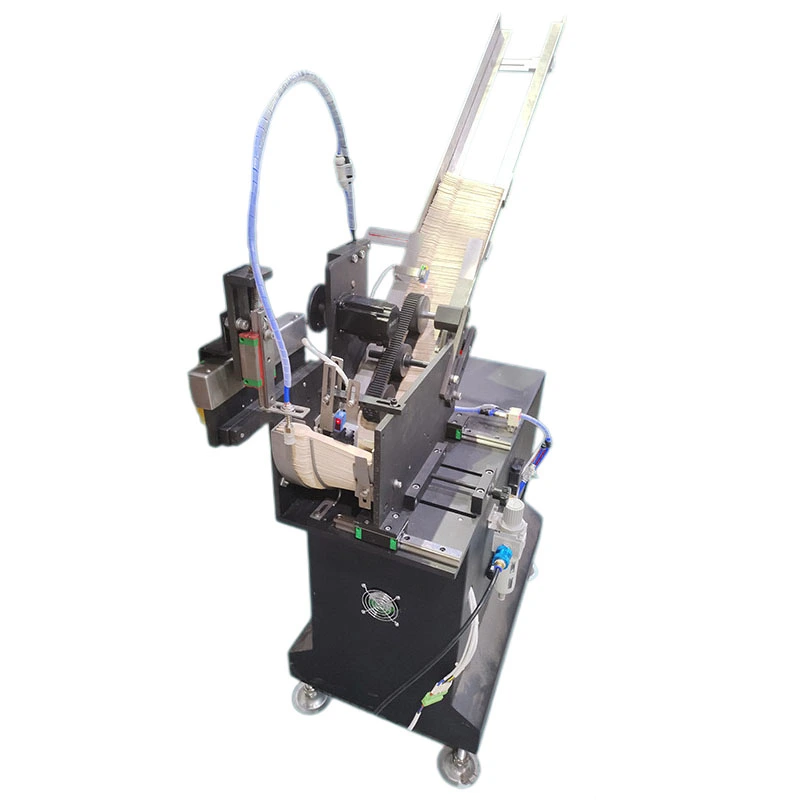
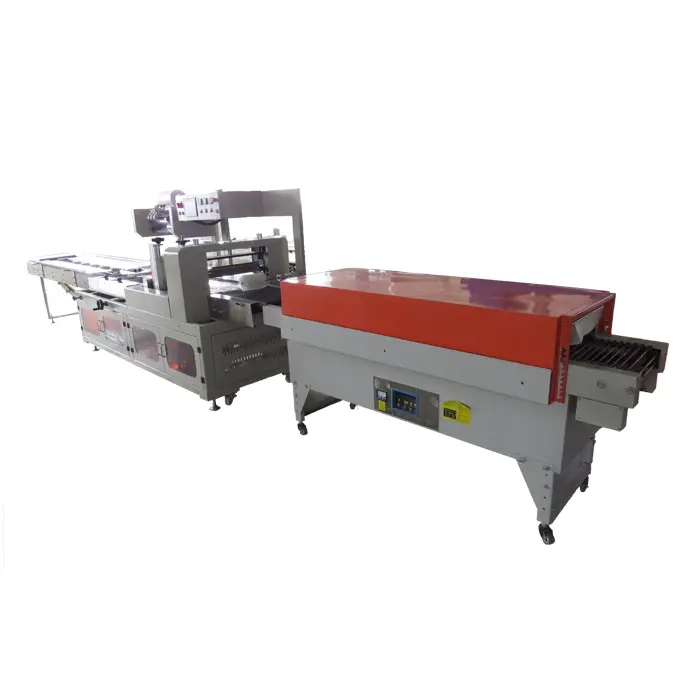
Napkins Chopsticks And Toothpicks Three piece Packaging Machine
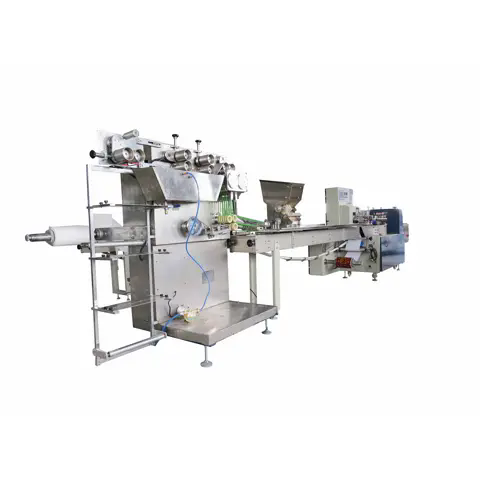
Catering suppliers and tableware manufacturers searching for compact, low-cost automatic wrapping equipment for daily disposable tableware shall select the Huaze napkins chopsticks and toothpicks three piece packaging machine. Manufactured by a trusted Chinese high-tech packaging machinery supplier, this dedicated 3-in-1 tableware packaging machine integrates raw paper folding, fixed-length cutting and final sealed packaging in one single workflow. Tailored for small-batch and standardized mass production, it supports matched chopstick & toothpick auto-feeding devices, featuring one-touch size adjustment and leak-proof sealing. It is the optimal packaging equipment to lower entry costs for disposable three-piece tableware production.
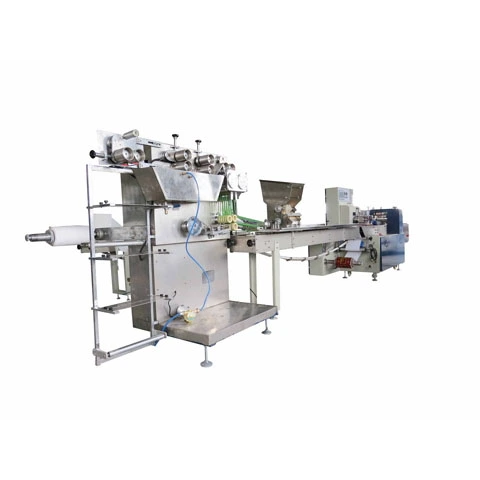
Cutlery Four Piece Packaging Machine
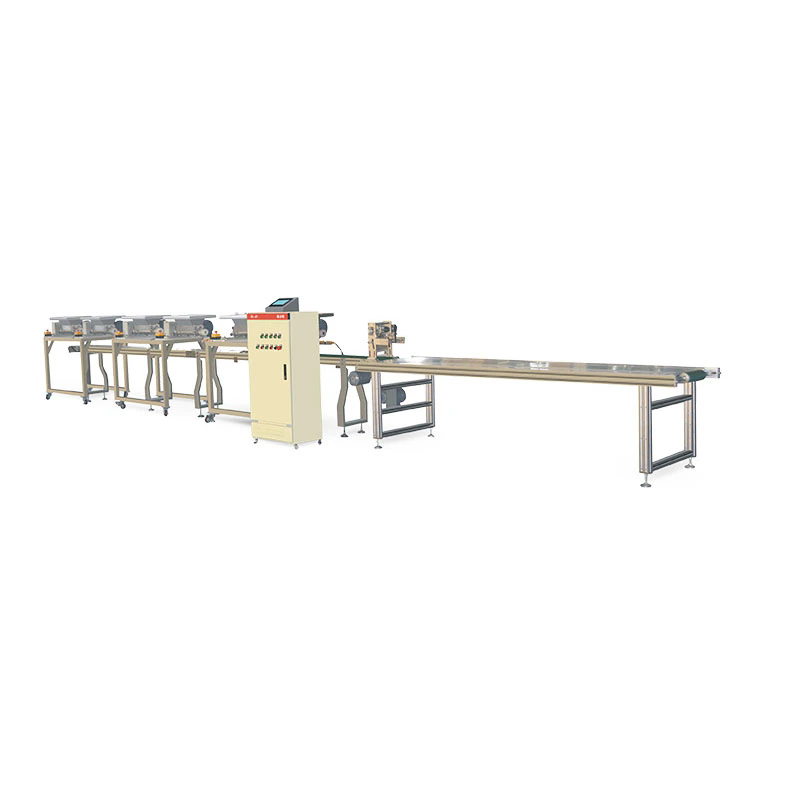
Global catering tableware manufacturers looking for high-efficiency integrated packaging equipment can opt for the Huaze cutlery four piece packaging machine. Developed by a China national high-tech packaging machinery manufacturer, this automatic napkin tableware packaging machine realizes one-stop production from raw paper folding, fixed-length cutting to finished product packaging. Featuring Panasonic intelligent control, 304 stainless steel structure and one-step size setting function, it helps buyers cut operating costs, boost packaging speed and simplify daily equipment maintenance, ideal for mass production of disposable catering four-piece tableware sets.
Invest in a Huaze certified Tableware Packaging Machines to ensure airtight sealing and strictly comply with sanitary standards. Inquire now to check our current in-stock models for quick shipping!